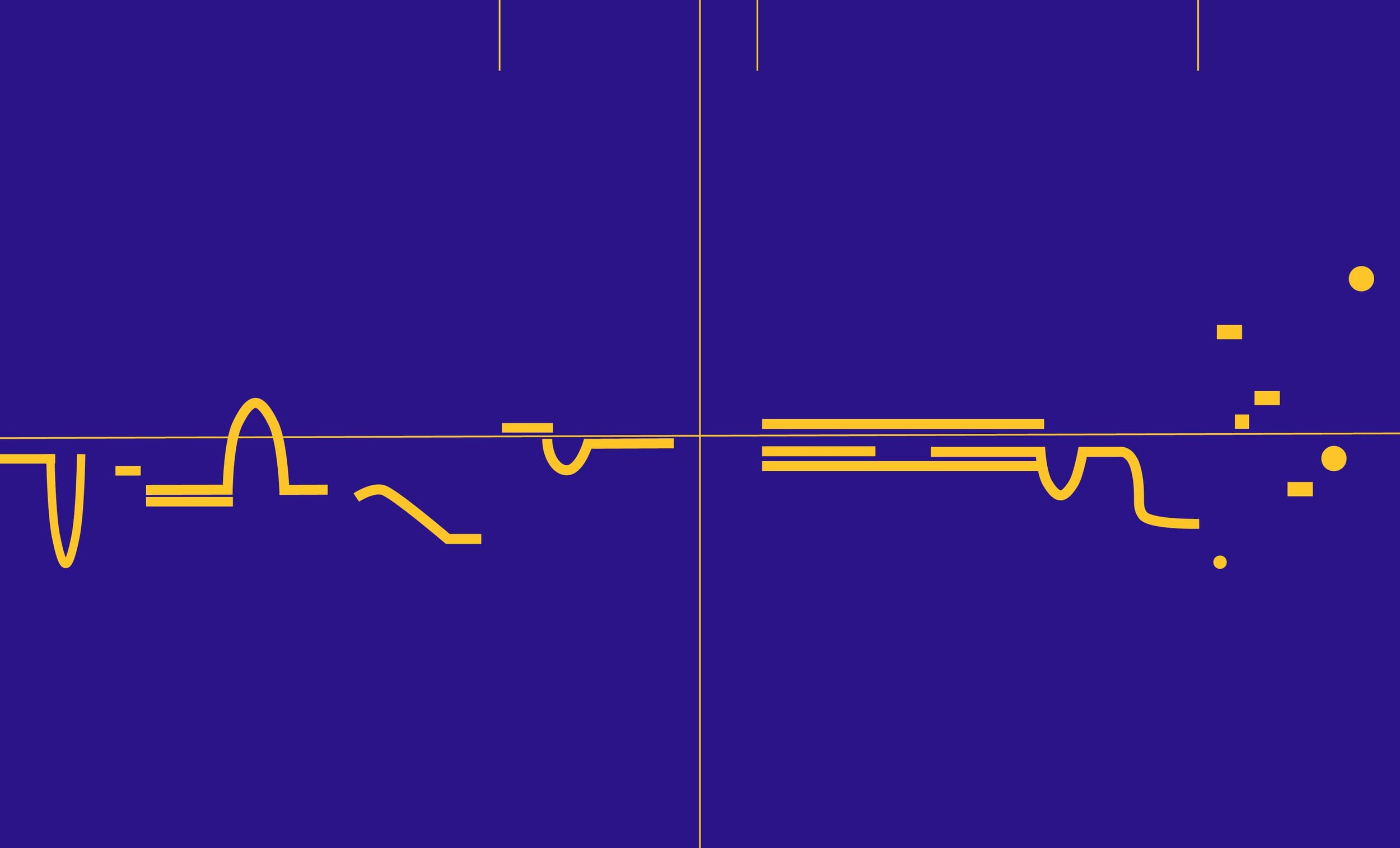
ACTIONS|REMARKS
A BOOK about the John Cage ‘Variations’ series of works.
Edited by Cat Hope and Lindsay Vickery,“Actions | Remarks : John Cage’s Variations and the expansion of the score, sonic materials, space, and the environment” includes a CD recording by Decibel of the Complete Variations Project and is available via the Decibel Bandcamp page (Australia) or the publisher, Mode (USA).
The book includes articles by leading Cage scholars such as Leta E. Miller, James Pritchet, Atau Tanaka, Warren Burt, Paul Van Emmerik, David P. Miller, Thomas DeLio, Vincent Bonin and members of Decibel ensemble.
The book has been supported by Monash University School of Music and Performance and WAAPA at Edith Cowan University.
FEATURED WORKS [SCHOLAR]
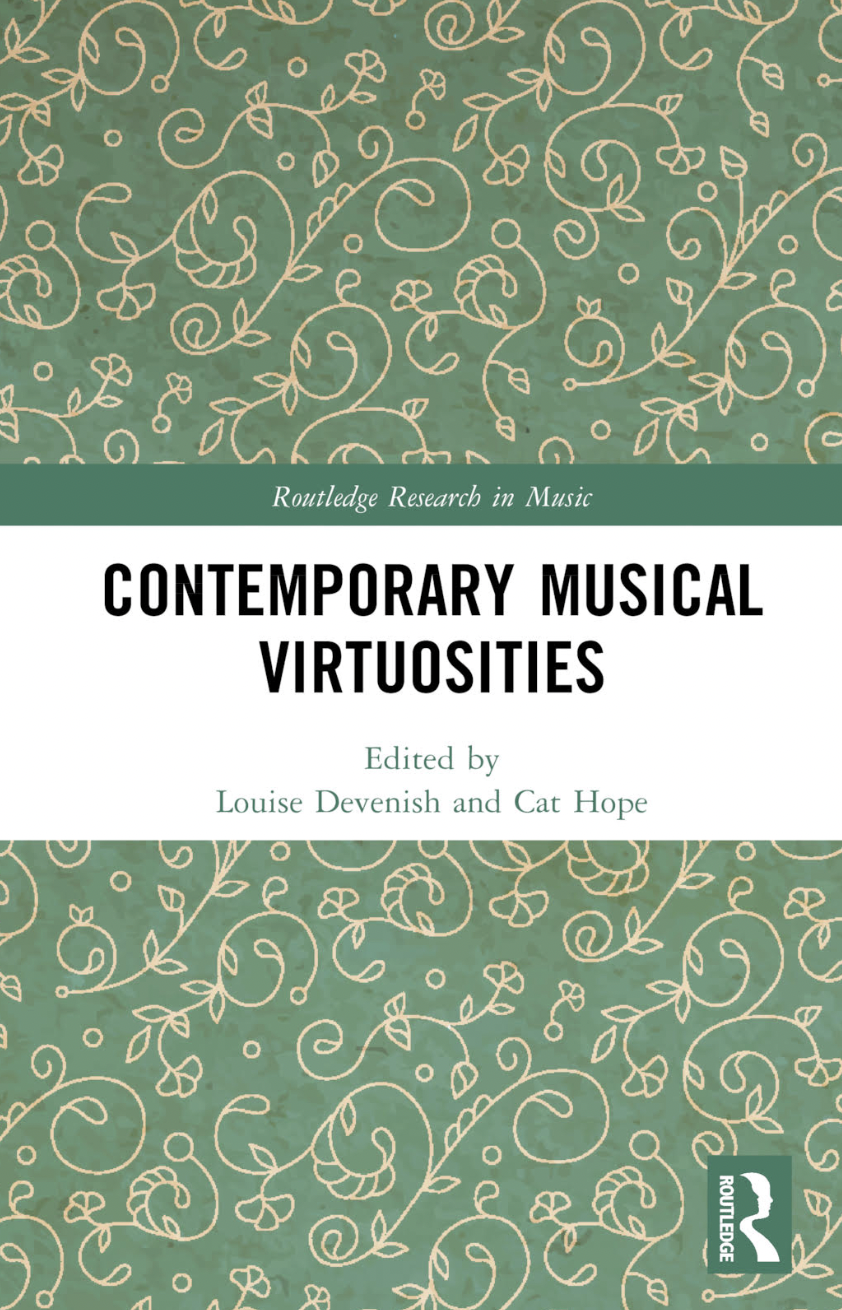
The book explores contemporary notions of musical virtuosity, redeveloping historic concepts and arguing that our present understanding of virtuosity in Western Art Music has shifted from what seemed, for a time, to be a relatively clear and stable definition.
This article argues that animated notations are the most exciting new direction for music notation since the conception of the real-time score. Beginning with a brief historic overview of trends and background that may have informed the development of animated notation, contemporary practices and their application to a range of music is also examined.
Digital Arts presents an introduction to new media art through key debates and theories. The volume begins with the historical contexts of the digital arts, discusses contemporary forms, and concludes with current and future trends in distribution and archival processes. Considering the imperative of artists to adopt new technologies, the chapters of the book progressively present a study of the impact of the digital on art, as well as the exhibition, distribution and archiving of artworks.
In 2014 composer Cat Hope sought to commission a work from Éliane Radigue. During discussions, Radigue proposed a collaborative composition with another composer, performer and lead interpreter of her acoustic work, Carol Robinson. The result was Radigue's first co-composed work, and the first work by Radigue for an Australian group.
Low-frequency sound on the cusp of the audible offers the possibility of redefining the way we think about listening to music. As the perception of pitch is lost in very low-frequency sound emissions, an opportunity arises for a different kind of music and a different way of listening. Low frequencies can be engaged to activate responses other than the aural or be used as a kind of “silent activator,” enabling or affecting other sounds. This article explores the possibilities for what may be called an “infrasonic music.”