
Why animated, graphic notation? (Part 2: Reading a circle as music notation)

This is a page of one part from the score for Sub Arial (2015) for percussion duo. Here, it is intended as one, large strike on a tam tam with a soft mallett.
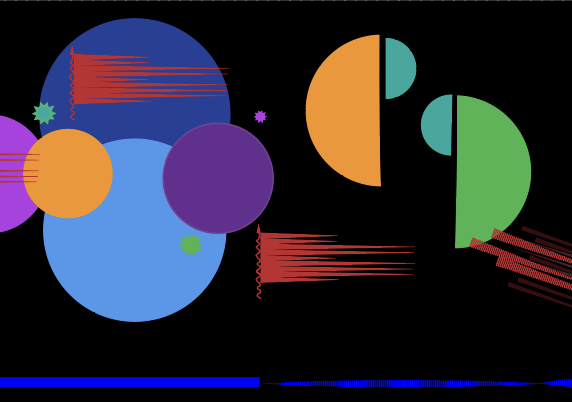
A screenshot from the score for Goddess (2025), showing the percussion part as coloured circles. Each colour is a different percussion instrument. Size is volume/density/reverberation..
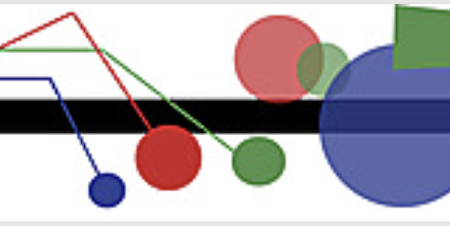
An early experiment with circiles in a laptop orchestra piece, Bravo Compound (2015). THe colours are extracted from childrens drawings from inside detention .
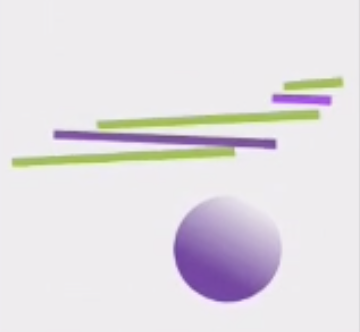
A circle showing a reduction in volume in the score for The Fourth Estate (2015) - the score is read from bottom to top, the horizontal plane representing position on the keyboard.
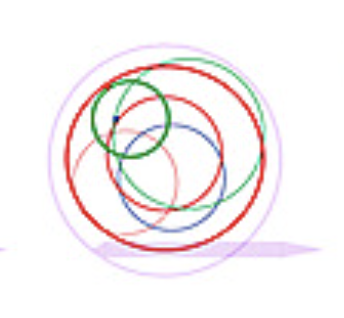
CIrcles as action notatoin in the tam tam peice Tone Being (2014). The outer circle is the tam tam - the different colours being different mallets/sticks drawing the shapes on the tam tam within the time specified in the score
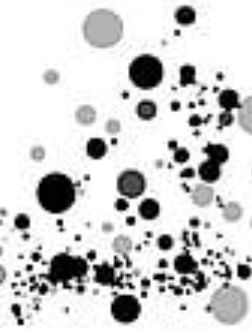
‘Impossible’ circles in Chunk (2012) for a pianist where the shade indicates the volume, and the score is read bottom to top, the horizontal plane being the keyboard.
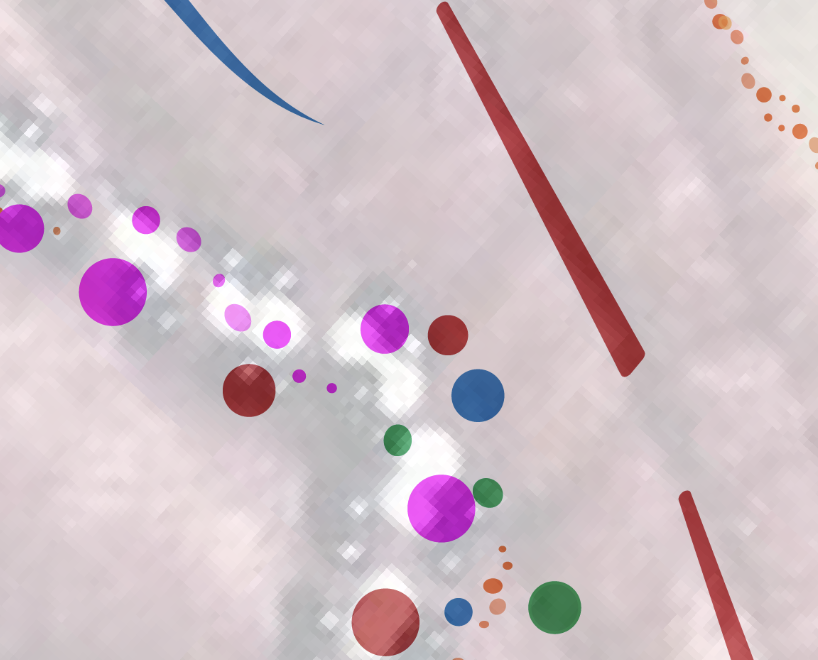
A close up of circles, or perhaps better described - dots - in ‘Landay Sequenza’ as individual notes softly struck/played. (pizz/tenuto etc).
This is the second entry about how my compositional tools speak to my core compositional interests, in particular through my own system of animated, graphic notation. The last blog addressed the idea of reading a line as music notation - this entry talks about how I use circles. The upcoming premiere of Goddess by Australian ensemble ELISION triggered this article, as it is a work that relies heavily on differently sized, coloured circles to communicate ideas for the percussion part in particular.
Whilst drawing lines as notation works very well for singular, sustained sounds - circles are used for a variety of different musical approaches in my notation. Circular shapes are used more ‘liberally’ - often depicting different approaches, whilst still attempting to ‘look like it sounds’ or ‘looks how you’d play it’. In the blog below, each piece discussed is linked to a video of the full score, and screenshots from the works are provided on the left.
Perhaps the simplest, most direct use of the circle is in Sub Arial (2015), where a single, large circle is indicated on an entire page of the score. The score is stationary - there is no playhead, as in other, scrolling type scores - just a time count down on the screen. The performer can strike a large percussion instrument once, loudly, at any time in that countdown - i.e. whilst the image is showing to the performer. The colour signifies which performer is playing only. When the image disappears, the sound should be dampended.
That is quite different to the way circles are used in the scrolling score for Bravo Compound, composed the same year. Whilst the colour also denotes the performer in this case, the shapes are read literally on the time line (the play head that passes over them) - and the shape/size is the dynamic of the material performed during that time, not unlike the classic crescendo/descrescendo hairpin). This work is for laptop orchestra, so the performer may play whatever material they like in the place where the circle exists. The shade of the circle here denotes the density of material. In an earlier work, The Fourth Estate (2014) the shade of the circle instead represents the dynamic, as is the case in Chunk (2011), my first work that engages circles in notation. Both these piano works use the horizontal axis as a placement position for hands on the keyboard (and thus, pitch), with the score scrolling up and down, rather than accross. Here, the circle is played as it looks - less then more then less notes - as a kind of action notation, using a tremelo/trilling style to ‘fill’ the sound. In the Fourth Estate, the circle’s placement provides clear, specific pitch information - starting in a small group of notes before swelling out to include more, and back in again as the playhead passes over the shape. Both feature vertical movement, yet Chunk has a competitive, complex quality - not all the circles are possible to be played as written - threy are designed to create a feeling of competition with the MIDI-piano reading it’s own score on a Disklavier, notated using the same approaches as for the human performer.
In Tone Being (2015) for tam tam and sub tone, the circles represent another form of action notation - not unlike Sub Arial. Here, the percussionist draws the shape to scale on the surface of the tam tam, represented by the outer circle. The colours represent different beaters, but like Sub Arial, a countdown provides a time frame for the activity to be completed within. This requires significant preparation to design the time taken on drawingeach circle with the time frame, which is the same each time the peice is played. The speed of the drawing changes the sound significantly, giving the performer opportunity to colour the piece in their own way. In Sub Arial, however, the time frames allocated to each ‘image’ change for each performance, using a random, generative alogorithm.
In Broken Approach (2014), a percussion piece for multiple percussion instruments, instruments are positioned in front of the performer along a horizontal space, mirrored in the score across a horizontal line, across which the score scrolls vertically, as with Chunk and The Fourth Estate. In this piece, the circles are used as a thematic device - their groupings are subject to inversions, re-coding, slowing down, speeding up etc. They are designed to be recognisable as a theme, both in the original statement but also the range of variations revealed as the piece progresses.
Circles are also used to represent soft pizzacato effects in my works - as opposed to crosses which signify brighter, more dynamic attacks. These usually indicate a performance approach, rather than an exact representation of the where and when of notes. In Chunk, small dots are considered as single, pizzicato notes on the piano. This would be the earliest and most common deployment of circles - better called dots - in my work, and the appear many times throughout my compositions to break up the longer form representations indicated by the line.
Thee most recent work, Goddess, uses circles in a range of ways for the percussionist - but this time i have left the performer to choose how to play them. The colours represent different percussion instruments and/or beaters - or to put it another way, different timbral colours. The size of the circles represent both volume and/or density. When they overlap, the sound should too. Working with percussionist Peter Neville from ELISION, we decided that playing the first half of the circle as a crescendo, then letting it decay until it is stopped when (if it doesn’t end before) the playhead has passed the circle. Sometimes he will play a single hit (Sub Arial style), other times a tremolo/roll effect to fill the shape (Chunk style). The other parts in the trop are are harp (red) and double bass (dark blue).
Circles as a notational device are a more flexible element in my system - engaged as action notation (Tone Being, Sub Arial, Goddess, Chunk), thematic devices (Broken Approach), dynamically shaped performance spaces (Bravo Compound), pitch spaces (Chunk, the Fourth Estate), pizzicato tools or simply individual notes in a wide range of works.
A quick note about my notation system - My music is designed to be shared with performers in the Decibel ScorePlayer on tablets, which plays files made in the Decibel Score Creator. I have written over 80 works in this format. Most of my scores could be read as a film, though some parts would be hard to see, and it is hard to coordinate the start accurately in ensemble works.
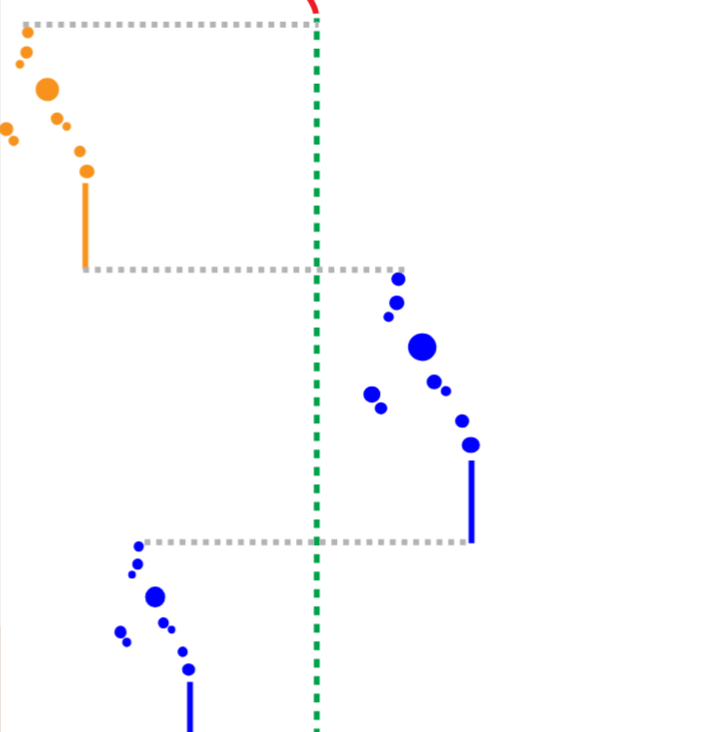
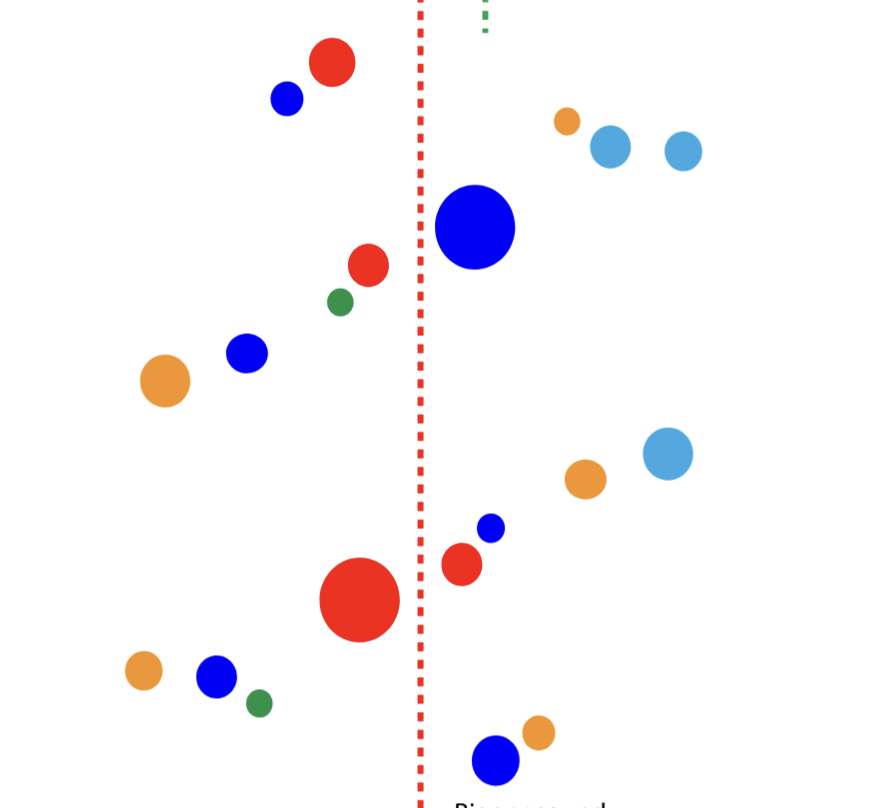
Two screenshots from the percussion work A Broken Approach (2014), showing circles as ‘‘strikes’ forming thematic material, The top image is the original statement, the second on is a ‘variation’ - colour is different mallets on individual drums.